The Kotojitoro Lantern
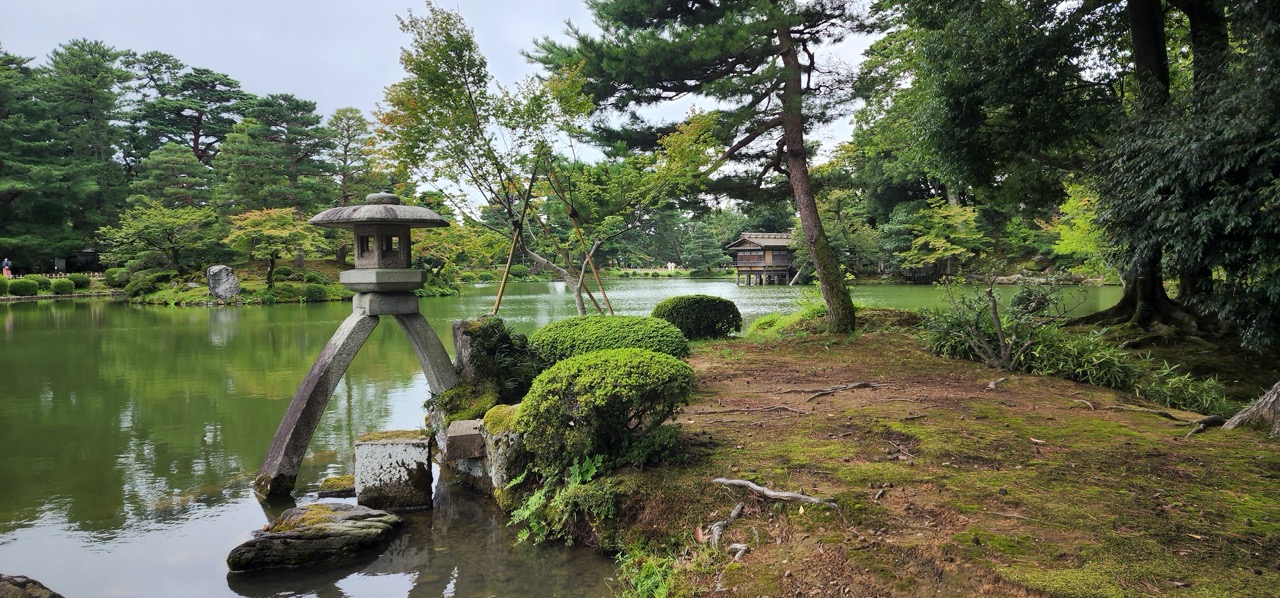
The two-legged stone lantern standing at the edge of Kasumiga-ike Pond is Kanazawa's single most photographed symbol, appearing on everything from postcards to travel posters. The Kotojitoro takes its name from the koto, a traditional Japanese string instrument. One leg is slightly taller than the other, and the shape was said to resemble the bridge of the instrument.
The lantern appears to rise directly from the water, particularly when the pond is calm and its reflection is visible below. For the best photograph, arrive at the eastern shore in the early morning before other visitors arrive. The light at that hour catches the stone beautifully and the pond is often completely still.
Photography Iconic Symbol Pond ViewThe Karasaki Pine & Yukizuri
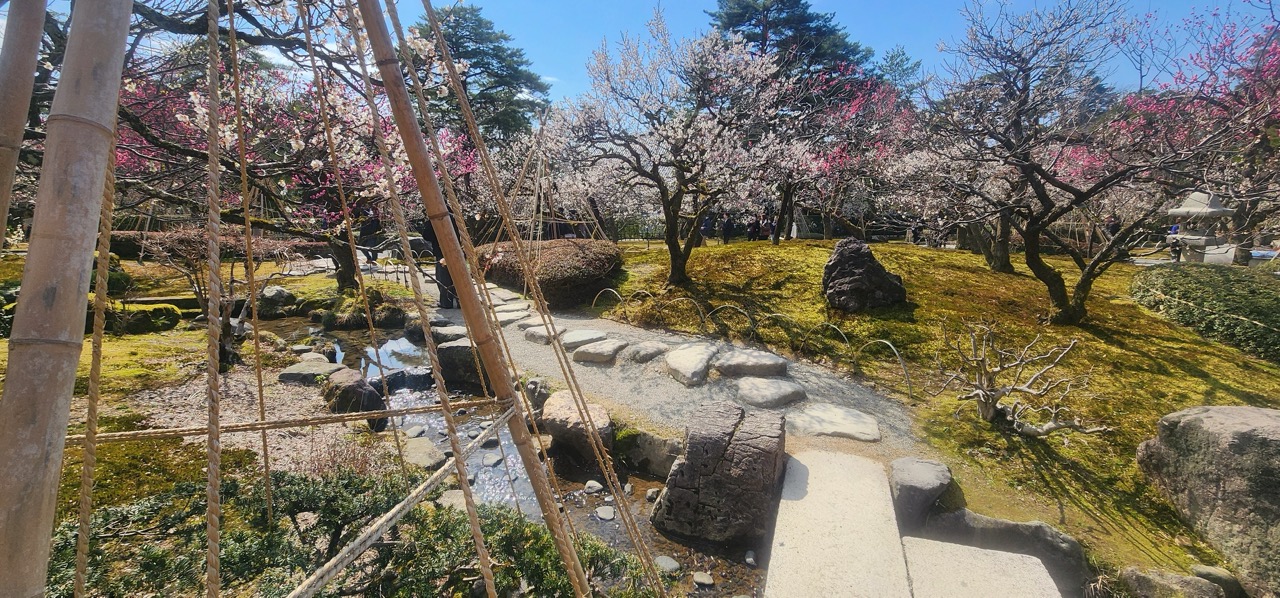
The Karasaki pine is the oldest and widest tree in Kenrokuen, its sweeping branches extending dramatically over the garden path. In late autumn, before the first snows arrive, garden workers erect yukizuri, elegant rope structures suspended from tall bamboo poles, around the tree and dozens of others throughout the garden.
The ropes are tied by hand to catch and redistribute the weight of heavy snow before it can break the ancient branches. The result is visually extraordinary: the entire garden is transformed into a forest of rope cones, a sight that is completely unique to Kanazawa and one of the most distinctive winter images in all of Japan. If you are visiting between November and March, the yukizuri alone justify the trip.
Winter Ancient Tree PhotographyKasumiga-ike Pond
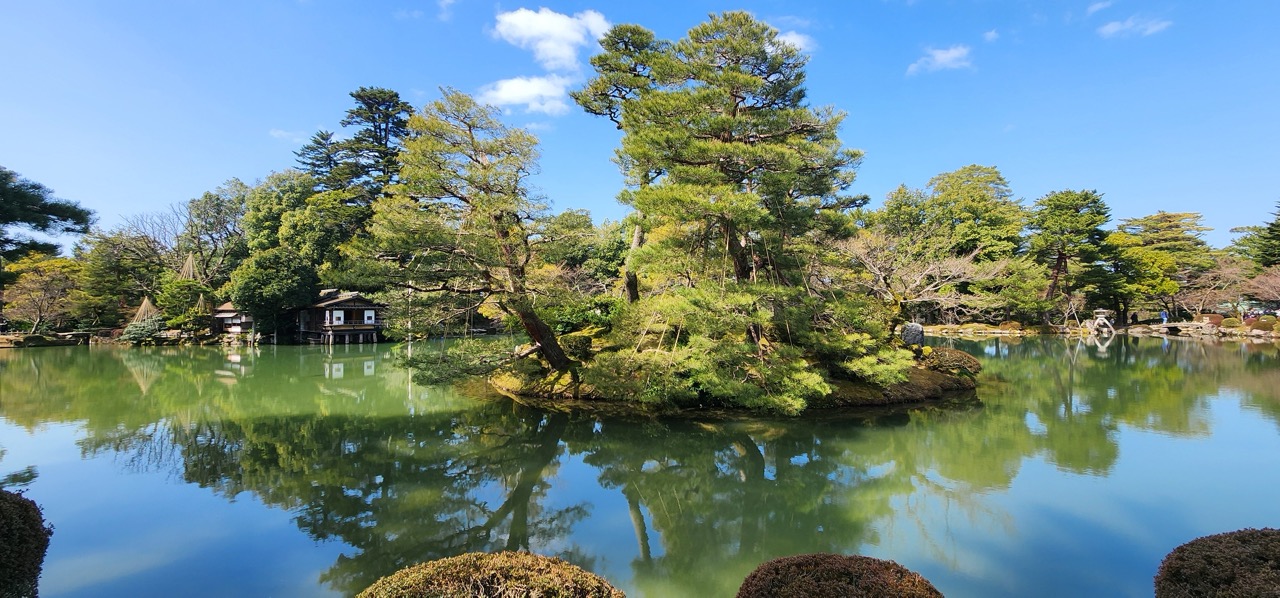
Kasumiga-ike is the largest of Kenrokuen's two ponds, and the garden's true centrepiece. Fed by water drawn from the Tatsumi canal several kilometres away, a feat of Edo-period engineering, the pond sustains the entire garden's water features, including a natural-pressure fountain that still operates today using only the difference in elevation between the canal intake and the pond.
Carp move slowly beneath the surface; small islets covered in moss and pine break the water; stone bridges lead to quieter corners of the garden. The pond changes character with each season. Carpeted with snow in winter, ringed with blossom in spring, heavy with green in summer, and reflected in autumn colour. Allow yourself to simply sit at its edge for a while.
Carp Pond Water Features All SeasonsCherry Blossom Season
Kenrokuen has over two hundred cherry trees of multiple varieties, which means the blossom season extends for several weeks as different trees peak at different times. The garden is transformed during this period — paths become tunnels of pink and white, the ponds reflect curtains of blossom, and the atmosphere is unlike any other time of year.
During peak blossom, Kenrokuen opens for free evening illuminations. The trees are lit from below after dark, creating a genuinely magical scene that draws visitors from across Japan. Entry is free during these evening sessions, which typically run from dusk until 9pm for the duration of the blossom period.
The crowds during peak weekend blossom can be very large. If your visit overlaps with cherry blossom season, arrive at the 7am opening or visit on a weekday morning. The garden in the first hour of the day, before the tour groups arrive, is a completely different and far more intimate experience.
Cherry Blossom Evening Illuminations Free Entry (evenings)The Six Sublimities
The name "Kenrokuen" translates as "garden combining six attributes", the six sublimities of classical Chinese landscape garden design that were considered impossible to achieve simultaneously. Kanazawa's Maeda clan, who built and cultivated the garden over nearly two centuries, set out to embody all six in a single space.
The six sublimities are: spaciousness (the garden covers eleven hectares); seclusion (the dense planting creates quiet, private corners even when the garden is busy); artifice (everything from the placement of stones to the flow of water is carefully designed); antiquity (the moss, weathered stones, and ancient trees convey deep age); abundant water (streams, ponds, a fountain, and waterfalls are present throughout); and panoramic views (elevated paths look out over the city and surrounding mountains).
Understanding these principles transforms a walk through Kenrokuen from a pleasant stroll into something closer to reading a carefully constructed argument about beauty. Each feature you encounter was placed with intention.
Philosophy History Panoramic ViewsPractical Information
Opening hours: 7:00am–6:00pm (March–mid-October); 8:00am–5:00pm (mid-October–February). The garden opens early — arriving at 7am gives you the best experience before crowds build.
Entry fee: 320 yen for adults. Free during cherry blossom and autumn leaf evening illuminations. Free for under-18s during special periods.
How long to allow: 1.5 to 2 hours for a thorough visit. The garden is eleven hectares, it is easy to underestimate how much ground there is to cover.
Combine with Kanazawa Castle Park: The castle grounds share a direct entrance with Kenrokuen and entry is free. Allow an extra 30–45 minutes to explore the castle's restored turrets and sweeping lawns.
Getting there: A short taxi or bus ride from Kanazawa Station. The Kenrokuen-shita bus stop is directly outside the main entrance. Walkable from the city centre in around 20 minutes.